


The Color Purple
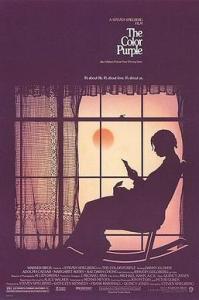
The first time I saw it was at my uncle’s house with a group of six female cousins, whenever it first became available to watch on the tube. It was a film no child should have seen, but the adults in my childhood could give two fucks about a child’s innocence and purity.
The scene that stayed with me from that first viewing was Miss Celie escaping her abuse, and the collective silence in the living room when the movie ended.
Over the years, I picked up on so much more. I couldn’t quite explain why the film felt like a depiction of my mother’s story, her mother’s story, or her mother’s mother’s story. But I understood.
I later learned that the silence in the living room wasn’t just about the movie. Those cousins were quiet because their father had beaten them and their mother for years. Because adult men in the home regularly took what they wanted from children. Because these weren’t isolated horrors; they were pervasive, normalized behaviors woven into at least half of my bloodline.
Even later in life, I recognised a love story embedded throughout the script. And that realization was one of the saddest because I have never been loved by a man the way I have loved.
But the journey of self-pity relies on a focused GPS, so once I mapped my way through the sorrow, I chose not to watch the movie again, lest I condition myself to believe I’m cursed to be alone.
Favorite line, “I’m poor, Black, I may even be ugly, but dear God, I’m here! I’m here!”
The ending is happy, and that, too, is a choice.
 Working Bubble
Leave a comment